


Tracing the Tracks: A History of Off-Roading on Sand
Off-roading on sand dunes is a thrilling and adventurous activity that has captivated enthusiasts for decades.
The allure of tackling nature’s sandy challenges has a rich history intertwined with the evolution of vehicles and human ingenuity. From the deserts of Africa to the vast expanses of the Arabian Peninsula and the dunes of the American Southwest, the history of off-roading on sand is as diverse as the landscapes it traverses.
Early Exploration:
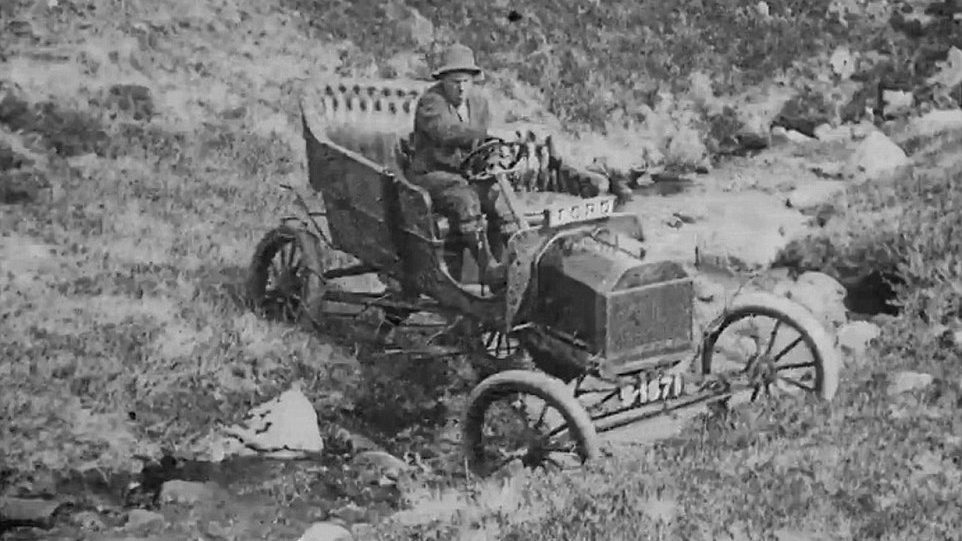
The roots of off-roading on sand can be traced back to the early 20th century when explorers and adventurers began venturing into the world’s deserts in search of new frontiers. In regions like the Sahara Desert, explorers utilized modified vehicles, such as early model Ford Model Ts fitted with larger tires and reinforced suspensions, to navigate the challenging terrain of sand dunes.
Military Applications:
The demands of warfare have often driven technological innovation, and off-roading on sand found its place in military strategy during the 20th century. Military vehicles, such as the iconic Willys Jeep, demonstrated remarkable off-road capabilities in sandy environments during World War II, particularly in North Africa. These vehicles played a crucial role in reconnaissance, transportation, and combat operations, showcasing the importance of off-road prowess in challenging terrain.
Rise of Recreational Off-Roading:
Following World War II, surplus military vehicles became readily available to the public, leading to the rise of recreational off-roading. Enthusiasts across the globe began modifying vehicles for off-road use, including tackling sandy terrains. The vast deserts of the American Southwest, such as the Mojave Desert and the Glamis Dunes, emerged as popular destinations for off-road enthusiasts seeking adventure and adrenaline.
Technological Advancements:
As off-roading gained popularity as a recreational activity, advancements in vehicle technology further fueled its growth. Manufacturers began producing purpose-built off-road vehicles equipped with features specifically designed to tackle sandy terrain, including enhanced suspension systems, all-terrain tires, and advanced four-wheel-drive systems. These advancements made off-roading on sand more accessible to a broader range of enthusiasts and contributed to the sport’s continued evolution.
Organized Events and Competitions:
The thrill of off-roading on sand led to the establishment of organized events and competitions dedicated to the sport. Events like the Baja 1000 in Mexico and the Dakar Rally, which traverses the deserts of South America, became iconic fixtures in the off-road racing calendar, attracting competitors and spectators from around the world. These events not only showcase the skill and endurance of off-road drivers but also serve as a testament to the enduring appeal of off-roading on sand.
Environmental Considerations:
While off-roading on sand provides excitement and adventure, it also raises important environmental considerations. The delicate ecosystems of sand dunes are vulnerable to damage from off-road vehicles, leading to efforts to promote responsible off-roading practices and conservation initiatives. Organizations and government agencies work to balance the preservation of natural habitats with the enjoyment of off-road enthusiasts, ensuring that future generations can continue to experience the thrill of exploring sandy landscapes responsibly.
The history of off-roading on sand is a testament to human exploration, innovation, and the enduring spirit of adventure. From its humble beginnings as a utilitarian necessity to its evolution into a globally recognized recreational activity, off-roading on sand has left an indelible mark on automotive culture. As technology continues to advance and environmental awareness grows, the future of off-roading on sand promises to be both exciting and sustainable, ensuring that enthusiasts can continue to enjoy the thrill of conquering nature’s sandy challenges for generations to come.


Recent Comments